In the competitive world of technical athletic apparel, customization is no longer just about “look and feel”—it is about compliance, speed, and sustainability. As a premium custom sportswear factory, we understand that our clients aren’t just looking for a manufacturer; they are looking for a supply chain partner that mirrors the rigorous standards of global giants like Nike, Adidas, and lululemon.
In this guide, we dive into the data-backed strengths that define a world-class production facility today.
1. Ethical Labor: Beyond the Minimum Wage
In the modern sportswear market, social responsibility is a non-negotiable metric. Our factory operations are aligned with the Fair Labor Association (FLA) and Better Work templates, ensuring every worker is treated with dignity.
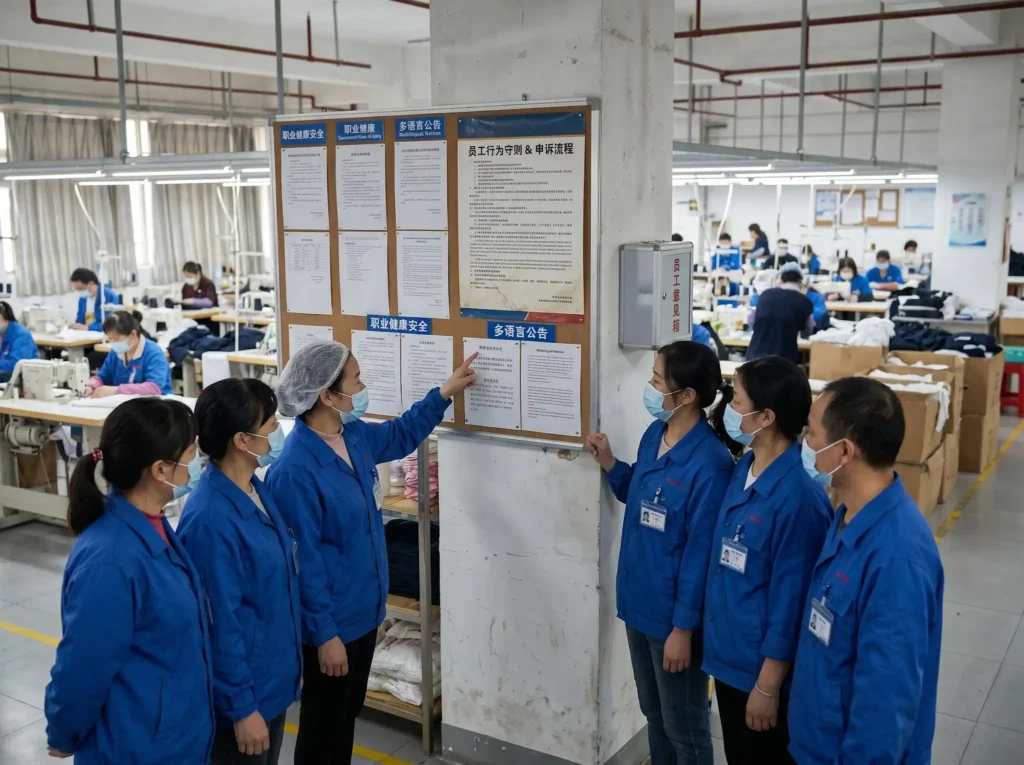
- Fair Compensation: Following the lead of top brands, we ensure all overtime is consensual and paid at a premium rate of at least 125% of the base hourly rate, matching Nike’s Code Leadership Standards.
- Controlled Working Hours: We strictly adhere to the industry standard of a maximum 60-hour work week (including overtime), with at least one full day of rest every seven days.
- Youth Protection: While local laws may vary, we maintain a minimum working age of 16, ensuring our workforce is built on adult, skilled labor.
2. Flexible Supply Chain: Customization at Scale
Customization often means smaller batches and higher complexity. To maintain a competitive edge in the APAC and EMEA markets, we utilize a “Flexible Supply Chain” model.
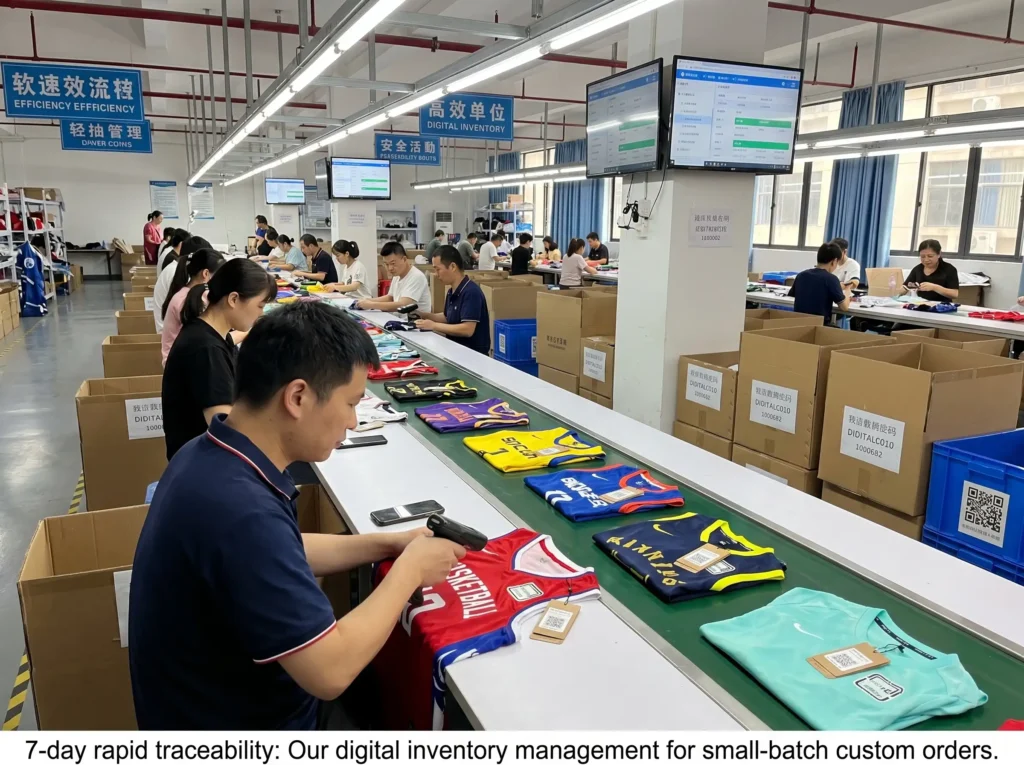
- Elastic Workforce Management: Like lululemon, we maintain a core permanent workforce but utilize a legally compliant contract labor system to meet “unexpected or unusually large volumes of orders” without compromising lead times.
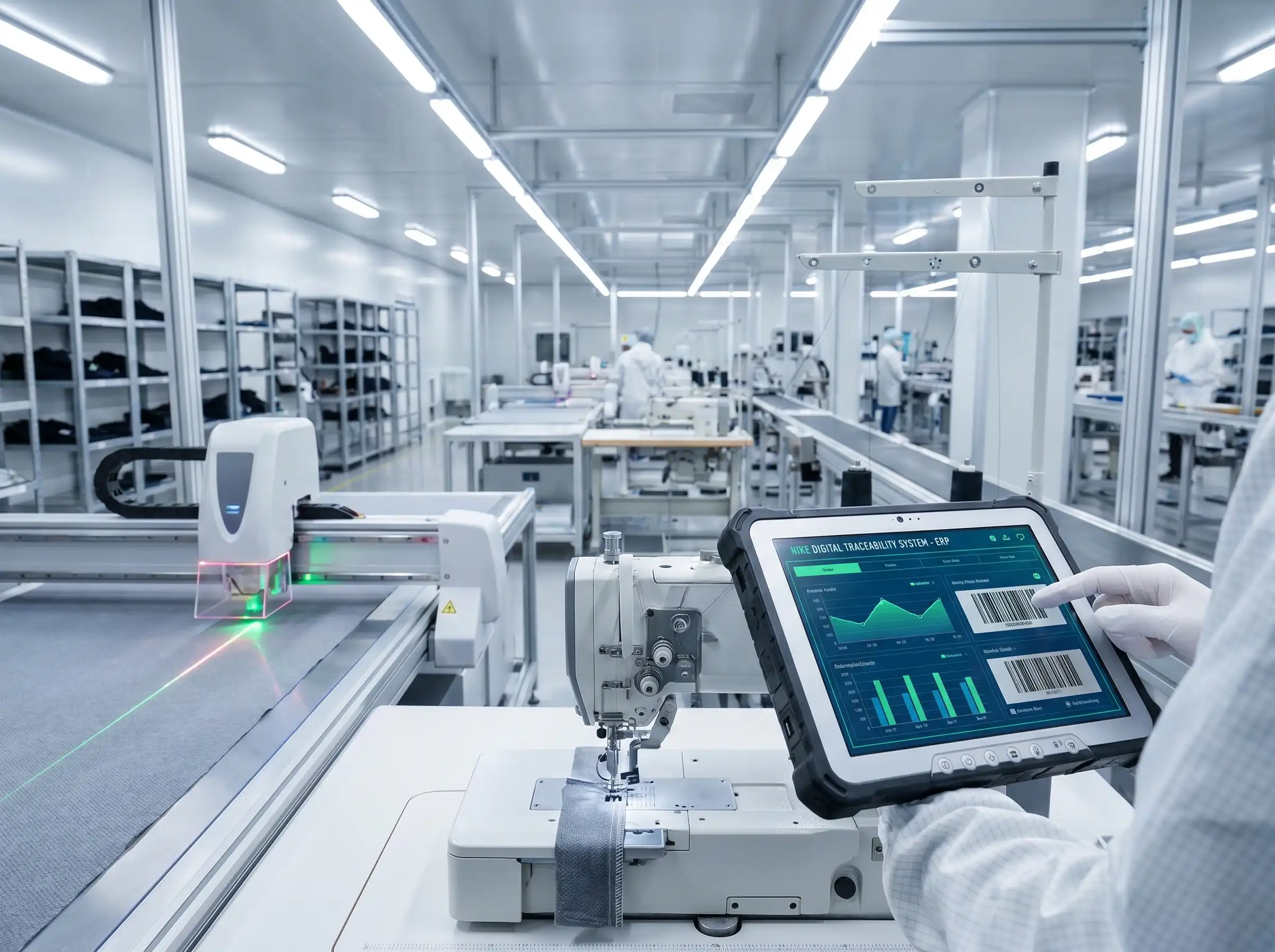
- Rapid Traceability: In the digital age, data transparency is vital. We have optimized our internal systems to meet Nike’s traceability standard, allowing us to provide full documentation for any component in our value chain within 7 business days of a request.
3. ESG & Sustainability: The “Net-Zero” Roadmap
Sustainability is no longer a “nice-to-have”; it is a requirement for entry into the global market. Top-tier brands are now validating their suppliers through platforms like Worldly and the Higg Index.
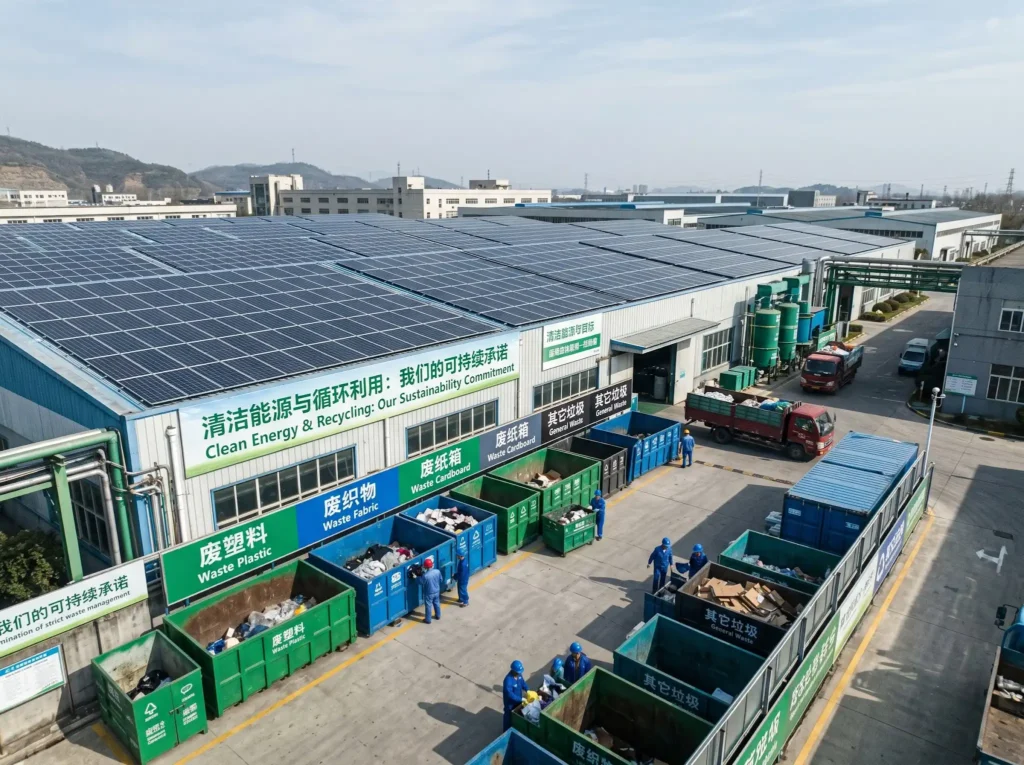
- Decarbonization: Since January 2023, the installation of new coal-fired thermal systems (such as boilers) has been prohibited by industry leaders under UNFICCA guidelines. Our facility is committed to phasing out onsite coal-fired power by 2030 to align with Adidas and lululemon’s climate strategies.
- Preferred Materials: We support the industry-wide goal to transition to “Preferred Materials”—those with lower climate and nature impacts. Brands like lululemon are targeting 75% preferred materials in their products by 2025.
- Waste Hierarchy: We manage solid waste through a strict hierarchy: Source Reduction > Closed-loop Recycling > Energy Recovery > Landfilling.
4. Chemical Safety: ZDHC and RSL Compliance
For custom sportswear, the safety of inks and dyes is paramount. A single non-compliant batch of print can ruin a brand’s reputation.
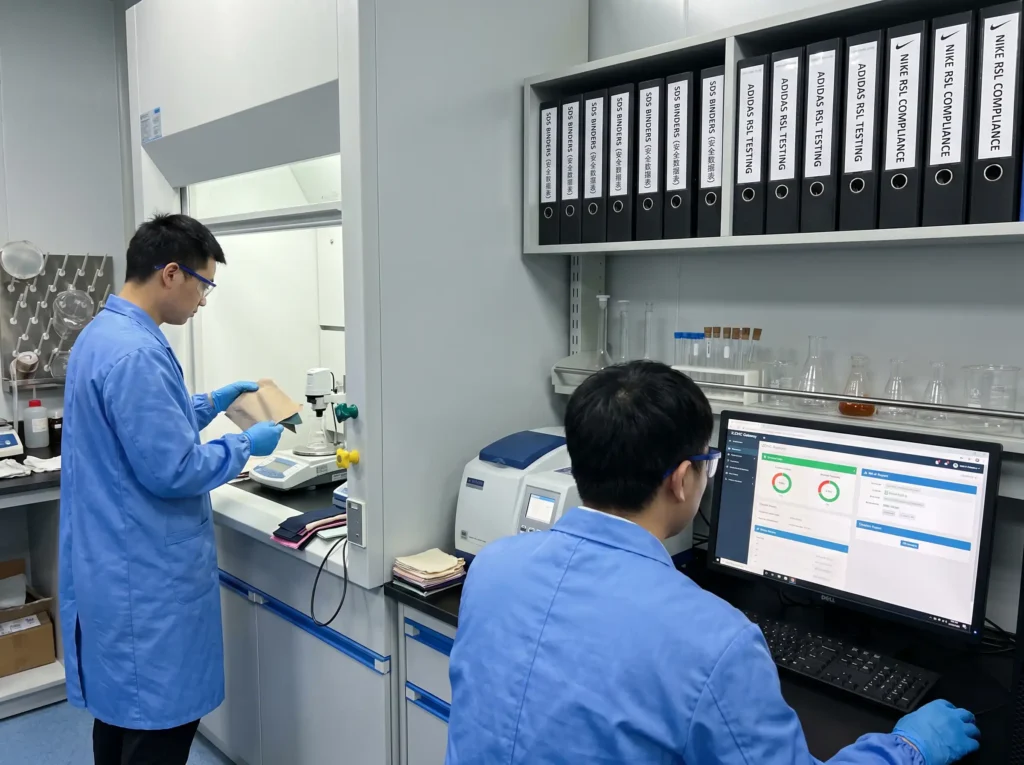
- Zero Discharge of Hazardous Chemicals (ZDHC): We follow the ZDHC Roadmap to Zero, utilizing the ZDHC Gateway to manage and share our chemical inventory data monthly.
- Strict RSL Testing: Our production lines are governed by the Adidas A-01 Policy and Nike’s Restricted Substances List (RSL). This ensures that every piece of custom gear—from the main fabric to the smallest “size label”—is tested for hazardous substances like Lead, Cadmium, and Formaldehyde.
Conclusion: Your Partner in Global Growth
Whether you are a startup brand or an established retailer, your factory must be your strongest link. By choosing a manufacturer that understands the ISO 14001 management systems and Science Based Targets (SBTi), you are future-proofing your business.
Are you ready to elevate your custom sportswear production? Contact our facility today to learn how our flexible, compliant, and data-driven supply chain can bring your designs to the world stage.